What No One Tells You About Starting a Hair Transplant Practice
The Hard Truth About Hair Restoration Surgery: Success Begins With Knowing When to Say “NO” The global demand for hair transplant surgery has never been higher. Millions of men and women are seeking solutions for hair loss, and many physicians are now considering entering the field of hair restoration surgery. Most hair transplant training courses focus on how to perform a hair transplant. Very few teach you something even more important: who should NOT undergo a hair transplant procedure. The reality is that a successful hair transplant practice is not about performing more surgeries. It is about selecting the right patients, choosing the right procedure, and knowing when to say “NO.” At Irfan’s Hair Academy (IHA), we believe that patient selection is the single most important factor determining surgical outcomes, patient satisfaction, and the long-term success of a hair transplant practice. The Biggest Mistake New Hair Transplant Surgeons Make Many beginners focus primarily on: While these skills are important, they are useless if the wrong patient is selected for surgery. A technically perfect hair transplant performed on an unsuitable patient can still become a failed case. The foundation of hair restoration surgery begins long before entering the operating room. It begins during patient consultation, one of the core modules covered in our hair transplant training course for doctors. Learning When to Say “NO” One of the most valuable skills a hair transplant surgeon can develop is the ability to refuse surgery when it is not in the patient’s best interest. Not every patient requesting a hair transplant is a suitable candidate. The most respected surgeons in the world are often the ones who know when not to operate. Smoking and Hair Transplant Surgery One of the most overlooked risk factors in hair restoration surgery is smoking. Many clinics attempt to differentiate between: From a surgical perspective, the distinction is less important than many people think. The critical distinction is: smokers versus non-smokers. Nicotine causes blood vessel constriction, reducing blood flow and oxygen delivery to transplanted follicles. Hair transplantation relies heavily on: Compromising these factors can negatively affect graft survival and final results. A responsible hair transplant surgeon must thoroughly evaluate smoking history and educate patients regarding its impact on surgical outcomes. Medical Conditions That Require Careful Evaluation Patient safety must always take priority over performing surgery. Certain medical conditions require extreme caution and proper medical clearance before considering hair restoration surgery. These include: Cardiac Patients Patients with uncontrolled cardiac symptoms may face increased surgical risks and require specialist evaluation before surgery. Uncontrolled Asthma Respiratory stability is essential before any elective procedure. Uncontrolled Diabetes Poor diabetic control can negatively affect wound healing and increase the risk of complications. Patients Taking Certain Medications Special attention should be given to patients using medications that may influence: Examples include: Every patient should undergo a comprehensive medical assessment before surgery, a process we walk through in detail during our hands-on hair transplant training in Islamabad. Psychological Screening: The Hidden Key to Success Many unsuccessful hair transplant cases are not caused by poor surgery. They are caused by poor patient selection. One of the most important yet neglected areas in hair restoration surgery is psychological assessment. Body Dysmorphic Disorder (BDD) Patients suffering from Body Dysmorphic Disorder may remain dissatisfied regardless of the technical quality of the procedure. These patients often: Recognizing psychological red flags is a critical skill for every hair transplant surgeon. Unrealistic Expectations Hair transplantation can improve appearance. It cannot create unlimited donor hair. It cannot restore teenage density in every patient. It cannot stop the natural aging process. Patients with unrealistic expectations should receive extensive counseling before surgery and, in some cases, should not undergo surgery at all. Procedure Selection Is More Important Than Procedure Marketing Many new surgeons become focused on trends, devices, and marketing claims. The truth is much simpler: long-term success depends on choosing the right procedure for the right patient. Factors that must be evaluated include: The best procedure is not necessarily the newest procedure. The best procedure is the one that provides the safest and most sustainable long-term result. Why New Surgeons Should Start With Small Sessions Many beginners are tempted to perform large “mega sessions” immediately after entering practice. This is a mistake. At IHA, we encourage new surgeons to begin with smaller procedures. The Value of a 1,000-Graft Session Performing approximately 1,000 grafts allows surgeons to: Competency is developed gradually. Experience cannot be rushed. Small sessions create strong foundations for long-term success, a principle built into the structure of every batch at Irfan’s Hair Academy. The Surgeon Must Perform the Surgery Perhaps the most important lesson for beginners is this: a hair transplant surgeon becomes competent by performing the surgery personally. In the early stages of practice, the physician should be directly involved in every aspect of the procedure. This includes: Direct involvement develops: Most importantly, it prepares the surgeon to manage complications and emergencies appropriately. Competency Before Delegation Competency must come before delegation. A physician who has personally mastered every component of hair restoration surgery is far better equipped to: The strongest hair transplant practices are built by surgeons who first develop mastery through hands-on experience, which is why our training is conducted entirely on live patients rather than synthetic models. See our testimonials from doctors who trained this way. Building Credibility in Hair Restoration Surgery Patients today are more informed than ever before. They want: Credibility is not built through advertising. Credibility is built through: Every successful hair transplant practice is built on trust. And trust is earned one patient at a time. The IHA Philosophy At Irfan’s Hair Academy (IHA), we teach our trainees that hair restoration surgery is not merely a cosmetic procedure. It is a medical and surgical specialty that demands: The greatest lesson for any surgeon entering the field is simple: Your success is not determined by how many patients you operate on. Your success is determined by how many patients you select correctly, how many unnecessary procedures you
How to Become a Hair Transplant Surgeon: Which Medical Speciality Is Best?
Frequently Asked Questions
Why I Founded the Irfan’s Hair Academy (IHA)
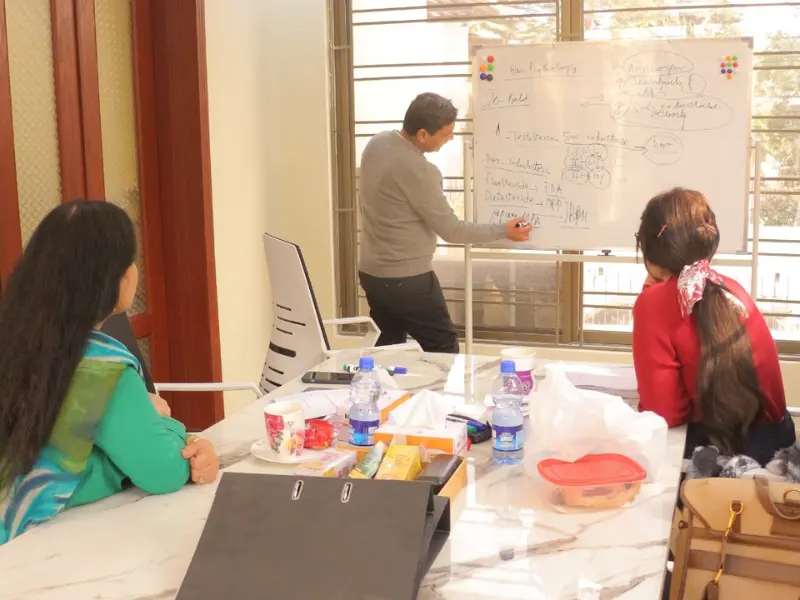
A Passion to Build the Future of Hair Restoration SurgeryThroughout my professional career, one principle has remained constant: patient welfare must always come first. Teaching and training doctors in hair restoration surgery is not my business, it is my passion. After spending decades performing hair transplant surgery, managing thousands of patients, participating in international conferences, contributing to professional societies, and training fellow physicians, I realized that the future of our specialty depends not only on experienced surgeons but also on how well we educate the next generation. This vision led to the establishment of the Irfan’s Hair Academy (IHA). The academy was founded with a clear mission: to develop highly competent, ethical, and professionally trained hair restoration physicians who can provide the highest standards of patient care throughout their careers. Many people mistakenly view hair transplantation as a cosmetic procedure that begins and ends in the operating room. The reality is very different. Hair loss is often a lifelong condition. A patient may begin experiencing hair thinning in their early twenties and continue to face progression of hair loss into their seventies or even eighties. Successful management requires long-term planning, medical knowledge, surgical expertise, ethical decision-making, and a deep understanding of future hair loss patterns. A responsible hair restoration physician must be able to: These skills cannot be learned through short workshops or observation alone. They require structured education, mentorship, hands-on training, and continuous professional development. Our Goal: Creating Ethical Experts At IHA, our objective is not simply to teach doctors how to perform hair transplantation. Our goal is to create ethical experts in hair restoration medicine and surgery. We believe that every physician entering this field should possess a strong foundation in: Hair Loss Diagnosis and Medical Management Doctors must understand the full spectrum of hair disorders affecting males and females of all ages. They should be able to evaluate patients accurately, establish proper diagnoses, and implement evidence-based treatment plans before considering surgery. Lifetime Hair Transplant Planning A successful hair transplant is not judged by how it looks one year after surgery. It is judged by how well it serves the patient ten, twenty, or even thirty years later. For this reason, we emphasize: Comprehensive Surgical Training Students are trained in multiple aspects of hair restoration surgery, including: We believe that a surgeon should understand all available techniques and select the most appropriate procedure for each individual patient. Ethics Before Marketing One of the greatest challenges facing hair restoration surgery globally is the increasing commercialization of the field. At IHA, we teach our students that success should never be measured by the number of procedures performed. Success should be measured by patient satisfaction, patient safety, ethical conduct, and long-term outcomes. Every graduate of our academy is encouraged to practice according to the highest professional standards and to place patient interests above financial considerations. Building the Future of the Specialty My vision extends beyond training individual doctors. I hope to contribute to the development of hair restoration surgery as a respected medical and surgical specialty. By educating skilled professionals, promoting evidence-based practice, encouraging research, and fostering international collaboration, we can collectively raise the standards of care available to patients around the world. Every well-trained doctor has the potential to improve the lives of thousands of patients throughout their career. By training one competent physician today, we improve patient care for decades to come. A Personal Commitment Everything taught at the Irfan’s Hair Academy reflects the same principles I follow in my own daily practice. I believe in lifelong learning, ethical patient care, meticulous surgical technique, and responsible donor management. These principles have guided my career and continue to shape the educational philosophy of IHA. The academy represents my commitment to sharing knowledge, mentoring future surgeons, and helping build a generation of highly skilled, compassionate, and ethical hair restoration professionals. Together, we can elevate the standards of hair restoration surgery and ensure that patients receive the quality care they deserve.
Hair Transplant Training Course: A Surgeon’s Guide for Doctors
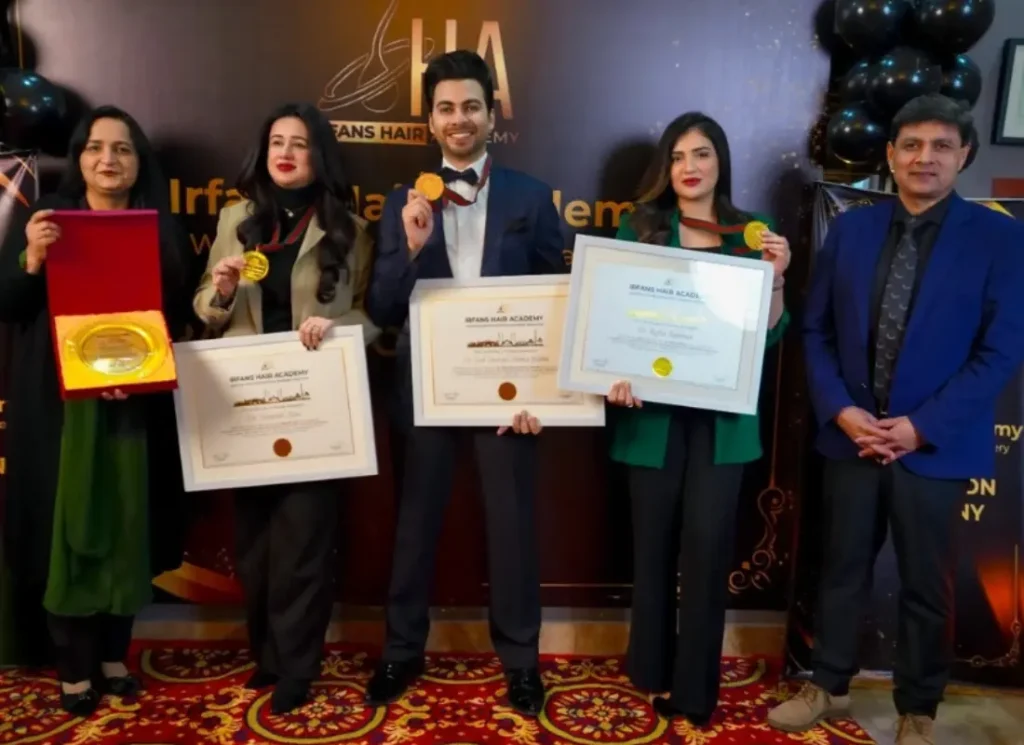
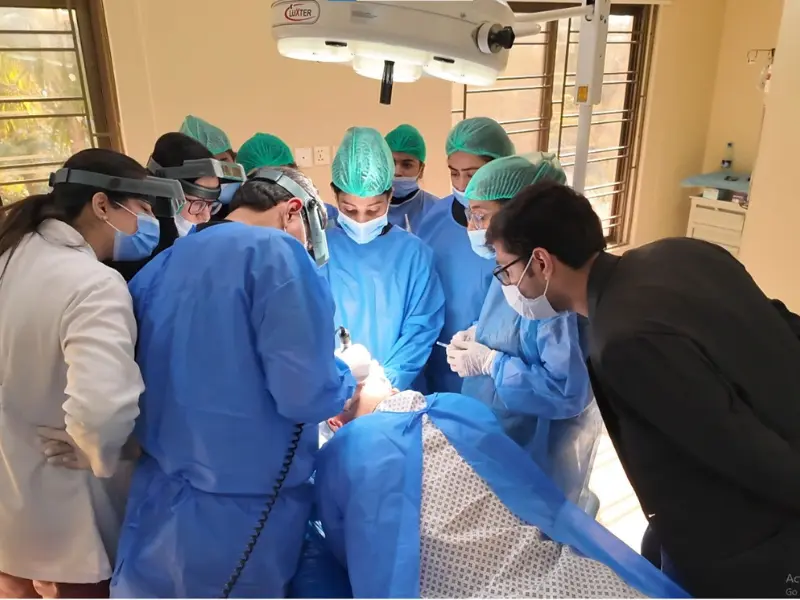
Adding hair restoration to your practice starts with one decision: which hair transplant training course will actually make you competent in the operating room. A hair transplant training course teaches doctors FUE, DHI and Sapphire FUE techniques through supervised, hands-on surgery ideally on live patients, not models. This guide gives you a 7-point checklist for evaluating any academy, a technique-by-technique comparison, and realistic costs across Pakistan, Turkey and the UK. It is written and reviewed by Dr Rana Irfan, a practising hair transplant surgeon with 25+ years of experience and thousands of surgeries. What Does a Hair Transplant Training Course Actually Teach? A complete hair transplant training course takes a qualified doctor from scalp anatomy and patient assessment through to performing FUE, DHI and Sapphire FUE on live patients under supervision. It should also cover anaesthesia safety, graft handling, complication management and the practical steps of setting up a hair restoration practice. The difference between courses lies less in the syllabus headings and more in how much of that syllabus you perform with your own hands. Reading about extraction angles is not the same as feeling a punch deflect off a curved follicle. Core curriculum: from scalp anatomy to complication management A serious programme should move through a defined sequence rather than a loose collection of lectures: Techniques covered: FUE, DHI, Sapphire FUE and FUT/LSE Look for breadth in one programme. A course that teaches only one technique forces you back into training and back into expense within a year or two of practice, because patient anatomy and case demands vary. Donor characteristics that suit Sapphire FUE in one patient may favour DHI in another. Beyond surgery: regenerative adjuncts and practice setup Modern curricula increasingly include PRP, PRGF and SVF therapies, which many clinics now offer alongside transplantation, as well as the unglamorous essentials: instrument procurement, staffing a graft-cutting team, pricing, and consultation workflow. These sessions rarely appear in short workshops but matter enormously in your first year of independent practice. FUE vs DHI vs Sapphire FUE : Which Should You Learn First? For most doctors, FUE is the correct first technique: it is the foundation skill on which DHI and Sapphire FUE are built. DHI changes how grafts are implanted; Sapphire FUE changes how recipient incisions are made. Neither replaces the extraction skills that FUE training develops first. Why FUE remains the foundation skill Follicular unit extraction trains the two judgements every other method depends on: reading follicle angle and depth under the skin, and handling grafts without crushing or desiccating them. Until your transection rate is consistently low, refinements at the implantation end add little. When DHI (Choi implanter) earns its place Direct hair implantation with Choi pens loads each follicular unit into an implanter, combining incision and placement in one movement. It rewards surgeons who already extract well; it offers good control of angle and depth in unshaven and female cases but it is slower per graft and demands a well-drilled loading assistant. Sapphire FUE: incision precision and graft survival Sapphire blades create narrower, cleaner recipient incisions than standard steel, which many surgeons find allows denser packing with less tissue trauma. Claims of superior graft survival should be presented to patients cautiously; published comparative evidence is still limited. Key Aspects FUE DHI (Choi) Sapphire FUE What it changes Extraction method Implantation method Recipient incision method Learning curve Moderate; foundation skill Steep; needs FUE base + trained assistant Short add-on once FUE is sound Instrumentation 0.8–1.0 mm punches, manual/motorised Choi implanter pens (multiple gauges) Sapphire blades, custom sizing Ideal first cases Norwood II–IV, good donor density Unshaven cases, female patients, small sessions Dense-packing hairline work Main limitation Recipient-site skill still needed Slow per graft; team-dependent Cost of blades; evidence base still maturing A note on limitations: no technique compensates for poor patient selection. Diffuse unpatterned alopecia, unstable loss in young patients and unrealistic expectations are contraindications regardless of method and a good course spends real time on saying no. How to Choose a Hair Transplant Training Course: 7 Criteria That Matter Judge any hair transplant training course on seven criteria: live-patient hands-on hours, batch size and supervision ratio, the trainer’s active surgical practice, the certifying body, exposure to repair cases, technique breadth, and post-course mentorship. Brochure language varies; these seven are measurable and comparable. 1. Live-patient hands-on hours not observation hours Ask precisely: “How many grafts will I extract and implant, on how many patients?” Watching from the corner of a theatre is observation, not training. Some well-marketed courses guarantee attendance at only two or three procedures with limited trainee participation. 2. Batch size and supervision ratio Eight trainees with one supervising surgeon across multiple daily cases is workable; twenty is not. Your transection rate in week one is directly tied to how often someone corrects your punch angle in real time. 3. The trainer’s active surgical practice and credentials A trainer who stopped operating years ago teaches yesterday’s protocols. Verify board certification (ABHRS), society membership and a current caseload not just a title on a website. 4. Certification body and international recognition A certificate is only as portable as the credibility behind it. Ask which body issues it, whether the trainer’s credentials are internationally verifiable, and whether past graduates have used it in the country where you intend to practise. 5. Exposure to repair and complication cases Primary cases on ideal donors are the easy part. Scarred donors, over-harvested safe zones and correction of poor hairlines are where independent surgeons get into trouble see them in training, with someone experienced beside you. 6. Technique breadth within one programme FUE, DHI, Sapphire FUE and strip surgery in a single course costs less in money and clinic downtime than three separate trips abroad. 7. Post-course mentorship Your hardest questions arrive with your first ten solo cases. A programme that offers case-review access after you go home is worth more than one that ends at the certificate ceremony. What Hands-On Training Looks Like at Irfan’s Hair Academy At Irfan’s
Providing State-of-the-Art Hair Transplant Training in Islamabad, Pakistan
Introduction to Hair Transplant Training in Islamabad The field of cosmetology has seen a significant evolution over the years, with hair transplant procedures emerging as a pivotal solution for hair loss and baldness. Recognizing the growing demand for these procedures, Islamabad, Pakistan, has positioned itself as a premier hub for hair transplant training. This training is crucial not only for aspiring cosmetologists but also for maintaining high standards within the industry. In Islamabad, the availability of state-of-the-art hair transplant training facilities underscores the city’s commitment to excellence. These facilities are equipped with the latest technology and innovative techniques, ensuring that trainees receive the most comprehensive and current education in this field. The focus on cutting-edge methods, such as Follicular Unit Extraction (FUE) and Direct Hair Implantation (DHI), guarantees that professionals are well-versed in the most effective and sophisticated procedures. The training programs in Islamabad are meticulously designed to cover a wide range of essential skills. Trainees benefit from a balanced curriculum that includes both theoretical knowledge and practical application. Theoretical courses provide a deep understanding of hair biology, the psychology of hair loss, and the principles underlying various transplant techniques. This academic foundation is vital for comprehending the complexities and nuances of hair restoration. Practical workshops and hands-on practice constitute the core of the training experience. Under the guidance of seasoned experts, trainees engage in simulated procedures, observe live transplants, and eventually perform transplants themselves. This experiential learning approach is integral to developing the precision and expertise required in real-world applications. Expert supervision ensures that all procedures adhere to the highest standards of safety and efficacy, instilling confidence in the trainees. Ultimately, the hair transplant training available in Islamabad stands out for its comprehensive nature and dedication to producing highly skilled professionals. By blending theoretical insights with rigorous practical training, these programs not only elevate individual competence but also contribute to the overall enhancement of the hair transplant industry. Benefits and Opportunities of State-of-the-Art Training Embarking on state-of-the-art hair transplant training in Islamabad offers numerous benefits and opportunities for aspiring professionals in the field of hair restoration. The ever-evolving techniques and technological advancements provide trainees with cutting-edge skills and knowledge that are in high demand worldwide. This advanced training translates into enhanced career prospects, positioning graduates favorably in the competitive global market. Proficiency in the latest methodologies not only improves the quality of patient care but also equips practitioners to perform with greater precision and efficacy. Another significant advantage is the networking opportunities with renowned professionals. Trainees gain access to a network of experts who bring years of experience and innovative perspectives to the table. These connections often lead to collaborations, mentorships, and career growth opportunities. Furthermore, completing such advanced training in Islamabad, a city rapidly establishing itself as a hub for medical excellence, can be a remarkable credential on a professional’s resume. The potential for high earnings is another compelling aspect. With a growing demand for hair restoration procedures globally, skilled professionals command competitive salaries. Patients increasingly seek out practitioners trained in the latest techniques, ensuring a robust client base and steady income stream. The lucrative nature of the field, combined with the personal fulfillment of transforming lives through improved aesthetics and confidence, makes this career path incredibly rewarding. Past trainees often attest to the transformative impact of this program. Testimonials highlight dramatic career advancements, including opening successful clinics, joining prestigious medical institutions, or becoming recognized experts in hair restoration. Additionally, case studies of successful alumni illustrate the tangible benefits of state-of-the-art training. These narratives underscore the comprehensive impact of the program, illustrating how it serves as a catalyst for professional success and innovation in hair transplant techniques.
Providing State-of-the-Art Hair Transplant Training in Islamabad, Pakistan
An Overview of Hair Transplant Procedures Hair transplant procedures have evolved significantly over the past decades, offering various advanced techniques to address hair loss more effectively. Among the most prevalent methods are Follicular Unit Transplantation (FUT), Follicular Unit Extraction (FUE), and Direct Hair Implantation (DHI), each with its unique approach and advantages. Follicular Unit Transplantation (FUT) involves surgically removing a strip of scalp from the donor area, usually at the back of the head. This strip is then divided into individual follicular units, which are transplanted to balding or thinning areas. The primary advantage of FUT is its ability to transplant a large number of grafts in a single session, making it suitable for patients with advanced hair loss. However, the linear scar it leaves can be a potential drawback for some individuals. Follicular Unit Extraction (FUE), on the other hand, involves the extraction of individual hair follicles directly from the donor area using a specialized punch tool. These follicular units are subsequently implanted into the recipient area. FUE is less invasive than FUT and avoids linear scarring, offering a quicker healing time. Yet, it can be more time-consuming and may require multiple sessions, especially for larger areas of hair loss. Direct Hair Implantation (DHI) is a more recent advancement in hair transplant techniques. It incorporates a specialized implantation device that allows for direct transplantation of hair follicles without the need for prior recipient site creation. This method reduces the handling of grafts and can significantly enhance survival rates. DHI also provides higher precision in hair placement and a more natural appearance. However, it requires meticulous skill and training to perform effectively, often resulting in higher costs. The science behind these methods involves the understanding of hair follicle biology and their growth cycles. Training programs that emphasize the anatomy of the scalp, the vascular supply, and the skin’s elasticity can greatly enhance a practitioner’s skill in performing these procedures. Moreover, advanced training helps mitigate common challenges and complications such as graft failure, infection, and unnatural hair angles. Ultimately, the choice between FUT, FUE, and DHI depends on various factors, including the patient’s hair type, the extent of hair loss, and individual preferences. Specialized training is paramount to ensure practitioners can tailor techniques to achieve optimal results, thereby advancing the field of hair restoration. “`html Training Programs in Islamabad: Curriculum and Facilities Islamabad offers a diverse range of hair transplant training programs tailored to meet the needs of both emerging and experienced practitioners. These programs focus on providing comprehensive education, combining theoretical knowledge with extensive hands-on practice. The curriculum is meticulously designed to cover various aspects of hair transplant procedures, from basic principles to advanced techniques. The theoretical component of the curriculum includes detailed modules on the anatomy and physiology of hair, patient assessment and selection, preoperative preparations, and postoperative care. Additionally, participants are educated on the latest advancements in follicular unit extraction (FUE) and follicular unit transplantation (FUT) techniques, ensuring they stay updated with cutting-edge practices. To complement the theory, workshops and seminars are organized, offering insights from seasoned professionals in the field. Practical training is a cornerstone of the programs in Islamabad. Trainees benefit from hands-on practice sessions conducted in state-of-the-art training centers equipped with the latest technology. These centers provide an immersive learning environment, featuring high-definition simulators and advanced tools that replicate real-world conditions. Simulation labs enable trainees to hone their skills in a controlled setting, ensuring they can perform procedures with precision and confidence. Furthermore, the programs emphasize the importance of mentorship. Participants have the opportunity to learn from experienced practitioners who offer guidance and share their expertise. These mentors play a crucial role in shaping the trainees’ professional development, providing personalized feedback and fostering a deeper understanding of complex procedures. Real-world practice is facilitated through strategic partnerships with local clinics and hospitals. These affiliations allow trainees to engage in live procedures under the supervision of experts, bridging the gap between simulated practice and actual patient care. Such collaborations ensure that trainees gain invaluable experience and are well-prepared to handle diverse clinical scenarios. Overall, the training programs in Islamabad are designed to provide a holistic learning experience, blending theoretical knowledge, practical skills, and professional mentorship. The state-of-the-art facilities and comprehensive curriculum equip practitioners with the expertise needed to excel in the field of hair transplantation. “`
Providing State-of-the-Art Hair Transplant Training in Islamabad, Pakistan
The Importance of Specialized Hair Transplant Training With the growing global demand for hair restoration solutions, the need for highly skilled hair transplant professionals is more critical than ever. In Pakistan, this demand mirrors the international trend, highlighting the necessity for specialized training programs for doctors and technicians. Specialized training helps professionals meet the increasingly high expectations of patients seeking hair transplant services. Today’s patients are more informed and discerning, often seeking treatments that employ the latest advanced techniques and technologies. Specialized hair transplant training encompasses a broad spectrum of contemporary methodologies and practices. It not only covers the surgical aspects but also delves into the nuances of patient care, pre-and post-operative considerations, and long-term management of hair health. This comprehensive approach ensures that professionals are well-equipped to offer safe, effective, and ethically sound procedures. The ethical responsibility to ensure patient safety underscores the importance of structured, high-quality training. Untrained or inadequately trained practitioners pose significant risks, from substandard results to severe complications. Therefore, investing in state-of-the-art training facilities is paramount. Such facilities typically offer curriculums that are continually updated to reflect the latest advancements in hair transplant technology and techniques. This ongoing education helps practitioners remain at the forefront of the field, providing their patients with the best possible care. Furthermore, successful case studies from other parts of the world demonstrate the tangible benefits of structured, specialized training. For instance, programs in countries like South Korea and the United States, where hair transplant techniques are highly developed, have consistently produced professionals who are recognized for their competence and innovation in the field. These examples underscore the necessity for similar training initiatives in Pakistan, aiming to raise the standard of hair transplant services nationally. In conclusion, specialized hair transplant training is not just an optional advantage but a critical necessity. It equips medical professionals with the skills and knowledge needed to meet patient expectations, employ advanced techniques, and uphold rigorous ethical standards. By prioritizing specialized training and advanced facilities, Pakistan can significantly elevate its standing in the global hair restoration community. Features of State-of-the-Art Hair Transplant Training Programs in Islamabad Hair transplant training programs in Islamabad distinguish themselves through a variety of advanced features, established to ensure comprehensive educational experiences. At the forefront of these programs is the incorporation of cutting-edge technology, such as robotic hair restoration systems and high-resolution imaging tools. These technologies not only enhance the precision and efficiency of hair transplant procedures but also allow trainees to familiarize themselves with the latest advancements in the field. Another critical component is the quality of instruction provided by seasoned trainers who bring extensive experience and expertise to the table. These professionals often have international exposure and adhere to global standards in hair transplant techniques, providing learners with insights that are both diverse and in-depth. The presence of such mentors guarantees that trainees get a well-rounded education, encompassing both theoretical knowledge and practical skills. Comprehensive theoretical and practical modules form the backbone of these training programs. Theoretical instruction covers the scientific principles of hair restoration, while practical modules offer hands-on experience in real clinical settings. This dual approach ensures that trainees not only understand the underlying biological mechanisms but also develop the skillset necessary for successful hair transplant procedures. These modules are frequently updated to incorporate the latest research findings and technological innovations. Personalized mentorship is another hallmark of the hair transplant training programs in Islamabad. Trainers work closely with each participant, tailoring the learning experience to individual needs and career objectives. This one-on-one mentorship fosters a more detailed and focused learning environment, contributing significantly to the holistic development of trainees. The collaborative learning environment is yet another distinctive feature, promoting interaction among trainees and fostering peer-to-peer learning. Workshops, seminars, and group projects are commonly integrated into the curriculum, encouraging the exchange of ideas and techniques. Accreditation and certification are vital aspects of these training programs. They ensure that the curriculum meets international standards and the qualification is recognized globally. Many programs also feature success stories of past trainees who have gone on to establish prosperous practices both in Pakistan and abroad, showcasing the potential career advancements post-training.
Providing State-of-the-Art Hair Transplant Training in Islamabad, Pakistan
Introduction to Hair Transplant Techniques and Technologies The field of hair transplantation has experienced monumental advancements over the last few decades, evolving to offer more refined and effective solutions for hair restoration. In Islamabad, Pakistan, hair transplant training programs focus extensively on a diverse array of techniques that equip future specialists with essential skills and knowledge. Among the traditional methods being taught is Follicular Unit Transplantation (FUT), often regarded as a foundational technique. Training programs emphasize the meticulous process of graft harvesting, which involves removing a strip of scalp tissue, and the subsequent preparation and implantation of individual follicular units. Despite being an older method, FUT remains relevant due to its efficacy, especially in cases where extensive coverage is required. On the modern end of the spectrum, Follicular Unit Extraction (FUE) represents a significant leap forward in hair transplant technology. Unlike FUT, FUE involves the individual extraction of follicular units directly from the donor area, minimizing scarring and reducing recovery time. Training in Islamabad ensures that practitioners are adept in this method, covering aspects such as precise donor site identification, careful extraction, and the optimized placement of grafts to ensure natural-looking results. Additionally, these programs incorporate advanced technologies to maintain a competitive edge in the global arena. Robotic-assisted hair transplantation is one such innovation, enhancing the precision and efficiency of graft extraction and placement. Participants receive hands-on experience with these cutting-edge tools, which significantly improve the outcomes of hair restoration procedures. Another noteworthy inclusion in the curriculum is Platelet-Rich Plasma (PRP) therapy, which is often used in conjunction with hair transplant procedures to promote healing and stimulate hair growth. Training modules cover the principles of PRP, including its preparation, injection techniques, and potential benefits for patients. The comprehensive nature of these training programs ensures that aspiring hair transplant specialists in Islamabad are well-versed in both traditional and contemporary practices. By integrating the latest trends and technologies, these programs aim to provide a holistic education that prepares participants to meet the evolving demands of the field. Benefits of Hair Transplant Training in Islamabad Hair transplant training programs in Islamabad offer several unique advantages that make them stand out in the field of hair restoration education. First and foremost, the training is conducted by highly experienced faculty, many of whom are pioneers in the field of hair transplantation. These experts bring a wealth of knowledge, with several holding advanced degrees and certifications from prestigious institutions. Their extensive contributions to both clinical practice and research provide trainees with unparalleled insights and perspectives. The state-of-the-art facilities and equipment available for hair transplant training in Islamabad further elevate the standard of education offered. Trainees gain hands-on experience with the latest technology and techniques in a controlled, supportive environment. This practical training is crucial for mastering the complexities of hair transplant procedures, ensuring that students graduate as competent, confident practitioners. Additionally, many training programs in Islamabad have established partnerships with renowned international institutions, boosting their credibility and providing students with more comprehensive educational experiences. These affiliations often lead to accreditations that are internationally recognized, greatly enhancing the value of the training received here. Accessibility and affordability are also significant advantages of pursuing hair transplant training in Islamabad. Compared to other regions, the cost of living and tuition fees are considerably lower, making high-quality education more attainable for a broader range of aspiring professionals. This affordability does not compromise the quality of education, as evidenced by the numerous testimonials from past trainees. Success stories from previous students further underscore the effectiveness of the training programs in Islamabad. Many alumni have gone on to establish successful hair transplant practices globally, attributing their professional achievements to the robust training they received. These testimonials serve as a testament to the program’s ability to open significant career opportunities and foster industry leaders.
Providing State-of-the-Art Hair Transplant Training in Islamabad, Pakistan
Islamabad, Pakistan, has emerged as a prominent center for state-of-the-art hair transplant training, offering a comprehensive range of programs designed to meet the rising demand for advanced cosmetic procedures. With an increased focus on professional development in the field of hair restoration, aspiring specialists are flocking to Islamabad to benefit from its high-quality educational opportunities. Several esteemed medical institutions, clinics, and academies in Islamabad are recognized for providing top-notch hair transplant training. These facilities are equipped with cutting-edge technology and led by experienced professionals who ensure that trainees receive exceptional education and hands-on experience. The training programs are meticulously structured to cover a broad spectrum of techniques, from the fundamental principles to the latest advancements in hair restoration. Trainees can expect a diverse curriculum that includes both basic procedures and advanced methodologies such as Follicular Unit Extraction (FUE) and Follicular Unit Transplantation (FUT). FUE involves extracting individual hair follicles from the donor area and implanting them into the recipient area, while FUT focuses on transplanting a strip of scalp tissue. Mastery of both techniques provides trainees with a comprehensive skill set, enabling them to address a wide range of patient needs effectively. The significance of Islamabad as a hub for medical training in the region cannot be overstated. Its geopolitical location, coupled with a strong emphasis on medical education and research, makes it an attractive destination for medical professionals seeking specialized training in hair transplantation. Furthermore, trainees benefit from the diverse patient population in Islamabad, providing them with valuable experience in treating various hair types and conditions. In summary, Islamabad stands out as a premier location for hair transplant training, offering a blend of high-quality education, state-of-the-art facilities, and expert mentors. As the demand for professional and advanced training in hair restoration continues to grow, Islamabad remains at the forefront, shaping the next generation of skilled hair transplant specialists. Key Features and Benefits of Advanced Hair Transplant Training Programs Advanced hair transplant training programs in Islamabad are meticulously designed to integrate both theoretical and practical components. The curriculum encompasses in-depth theoretical knowledge which forms the foundation of understanding the underlying principles of hair transplantation, scalp anatomy, and hair growth cycle. This theoretical framework is complemented by extensive hands-on practical sessions that allow trainees to apply their knowledge in a controlled and supervised environment. Trainees engage in live demonstrations conducted by seasoned practitioners, providing invaluable insights into real-world applications and techniques. These sessions often utilize state-of-the-art equipment and the latest technologies in hair transplantation, ensuring participants become proficient in cutting-edge methodologies. Additionally, the training emphasizes patient consultation, a crucial aspect that involves understanding patient expectations, assessing hair loss patterns, and formulating suitable treatment plans. Post-operative care and complication management are integral components of the training, equipping trainees with the skills to ensure patient safety and satisfaction. Students learn to navigate potential complications and manage patient care effectively, enhancing the overall success rate of the procedures they perform. A significant benefit of these comprehensive training programs is the resulting certification, which not only validates the skillset acquired but also enhances professional credibility. Trainees who complete the program are well-positioned to attract a broad clientele, thanks to their advanced skills and knowledge. Moreover, many of these programs are affiliated with prestigious international institutions or hold accreditations that add further value and recognition to the certification, opening doors to global opportunities. The holistic approach of these training programs ensures that participants do not merely perform procedures but excel in them, thereby boosting their careers and setting a high standard in the field of hair transplantation.
Providing State-of-the-Art Hair Transplant Training in Islamabad, Pakistan
Introduction to Hair Transplant Techniques and Their Relevance Hair transplant techniques have undergone significant advancements over the past few years, solidifying their status as state-of-the-art procedures in the realm of cosmetic surgery. The primary techniques currently prevalent are Follicular Unit Extraction (FUE), Follicular Unit Transplantation (FUT), and Direct Hair Implantation (DHI). These methodologies are designed to provide natural-looking outcomes, characterized by minimal scarring and maximum hair density, thus transforming the hair restoration landscape. Follicular Unit Extraction (FUE) involves extracting individual hair follicles from a donor area, typically the back of the scalp, and implanting them into balding or thinning areas. This technique has gained popularity due to its minimally invasive nature and reduced recovery time. Similarly, Follicular Unit Transplantation (FUT), also known as the strip method, involves removing a strip of scalp tissue from the donor area and dissecting it into individual follicular units for transplantation. While FUT can offer a large number of grafts in a single session, advancements have made the once visible linear scar almost imperceptible. Direct Hair Implantation (DHI) presents an even more refined approach, using a specialized tool to extract and implant hair follicles simultaneously, without the need for creating recipient site incisions. This method enhances precision and graft survival rates, reducing overall procedure time and optimizing the natural appearance of the hairline. The technological advancements driving these techniques include enhanced surgical tools, robotics, and improved post-operative care protocols. These innovations not only increase the efficacy of hair transplants but also enhance patient comfort and satisfaction. In Pakistan, the growing demand for hair restoration procedures is a testament to the public’s increasing awareness and acceptance of cosmetic treatments. To meet this burgeoning demand, it is imperative to produce skilled professionals through comprehensive training programs. By equipping practitioners with the latest knowledge and technical skills, these programs ensure that patients receive high-quality care, thus fostering the growth and credibility of the industry within the region. Hair Transplant Training Programs and Opportunities in Islamabad Islamabad offers a range of comprehensive hair transplant training programs designed to equip aspiring specialists with the necessary skills and knowledge. These programs are tailored to meet the evolving demands of the medical field, ensuring participants gain a thorough understanding of both the theoretical and practical aspects of hair restoration procedures. Typically, the duration of these training programs spans from several weeks to a few months, depending on the depth of the course. The curriculum is meticulously crafted to cover a broad spectrum of topics, including the anatomy and physiology of hair, various hair transplant techniques such as Follicular Unit Extraction (FUE) and Follicular Unit Transplantation (FUT), patient assessment, and post-operative care. A significant focus is placed on hands-on training, where participants work under the supervision of experienced professionals to perform live procedures. This practical experience is invaluable, as it allows trainees to develop their skills in a real-world environment, instilling confidence and precision. Upon successful completion of the programs, participants receive certification that is recognized both locally and internationally. This certification can act as a stepping stone to a promising career, opening doors to numerous opportunities in esteemed clinics and hospitals. Additionally, partnerships with renowned medical institutions and global experts further enhance the quality of training in Islamabad. These collaborations ensure that the curriculum stays updated with the latest advancements in hair transplant techniques and technologies, providing trainees with a competitive edge. Choosing Islamabad for hair transplant training comes with unique benefits. The city is known for its advanced medical facilities and experienced trainers who bring a wealth of knowledge and practical insights. Trainees also have the advantage of learning in a region with a high demand for hair restoration services, providing ample opportunity to refine their skills on diverse cases. Post-certification, the career prospects are robust, with graduates often finding lucrative positions both within Pakistan and internationally. The burgeoning field of hair restoration ensures a steady demand for skilled professionals, making this an attractive career path for medical practitioners.